“Genocide” has become a keyword for our time, deployed by victim groups and their advocates in Asia, Africa, the Americas, and Europe. While a powerful cry for help and attention as “the crime of crimes,” do “genocide” allegations perform the work intended by their claimants? And what of patently self-serving and vexatious usages of the term? This roundtable will plumb the attractions and functions of claims of “genocide” in conflicts today. Zachariah Mampilly holds the Marxe Endowed Chair of International Affairs at Baruch College—CUNY. He is the author of Africa Uprising: Popular Protest and Political Change. Zoé Samudzi serves as the Charles E. Scheidt Visiting Assistant Professor of Genocide Studies and Genocide Prevention at Clark University. She is the coauthor (with William Anderson) of As Black as Resistance: Finding the Conditions for Liberation. Professor of international relations at Georgia State University, Jelena Subotic’s most recent book is Yellow Star, Red Star: Holocaust Remembrance after Communism. Chair/moderator A. Dirk Moses is the Anne and Bernard Spitzer Professor of International Relations at City College of New York. He is the author of The Problems of Genocide: Permanent Security and the Language of Transgression.
You may also like
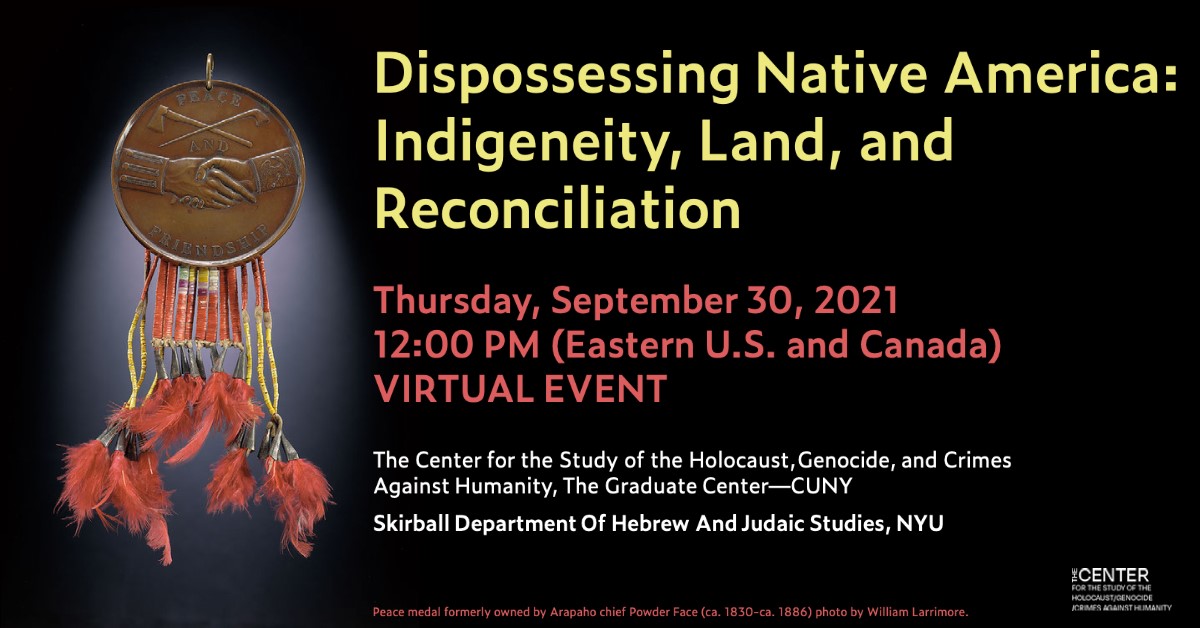
Focusing on the complex histories of Indigenous-colonial relations, Profs. Margaret Jacobs, Claudio Saunt, and Justin de Leon offer fresh perspectives on violent […]
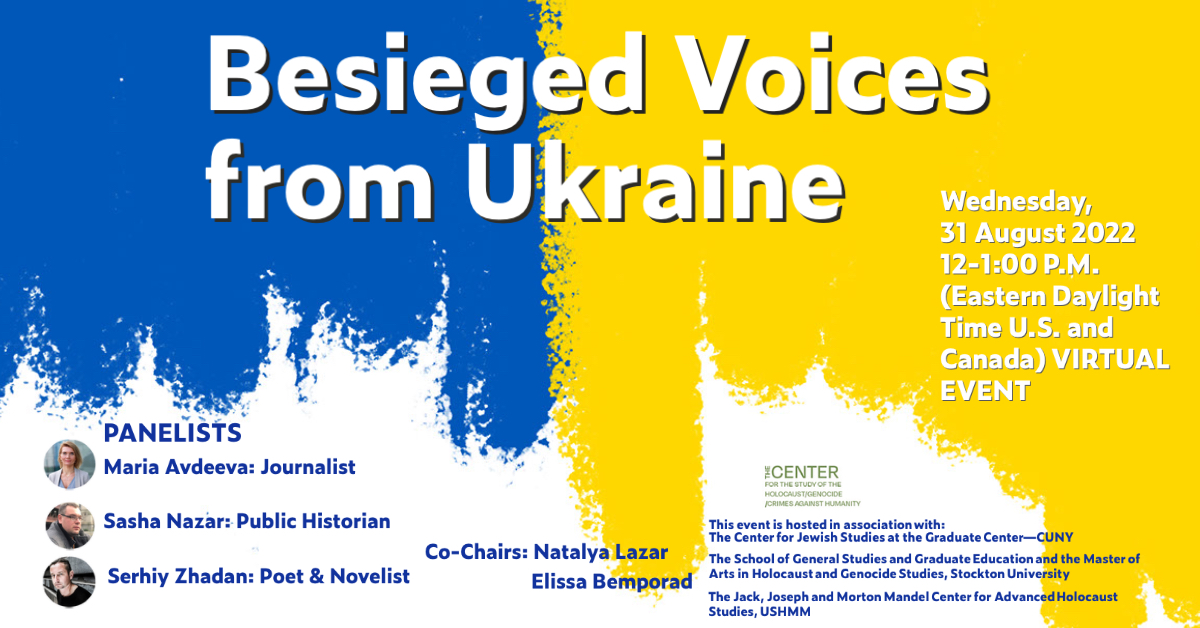
Russia’s attack on Ukraine has caused the death and injury of thousands, the forced flight of millions, and the physical destruction of […]
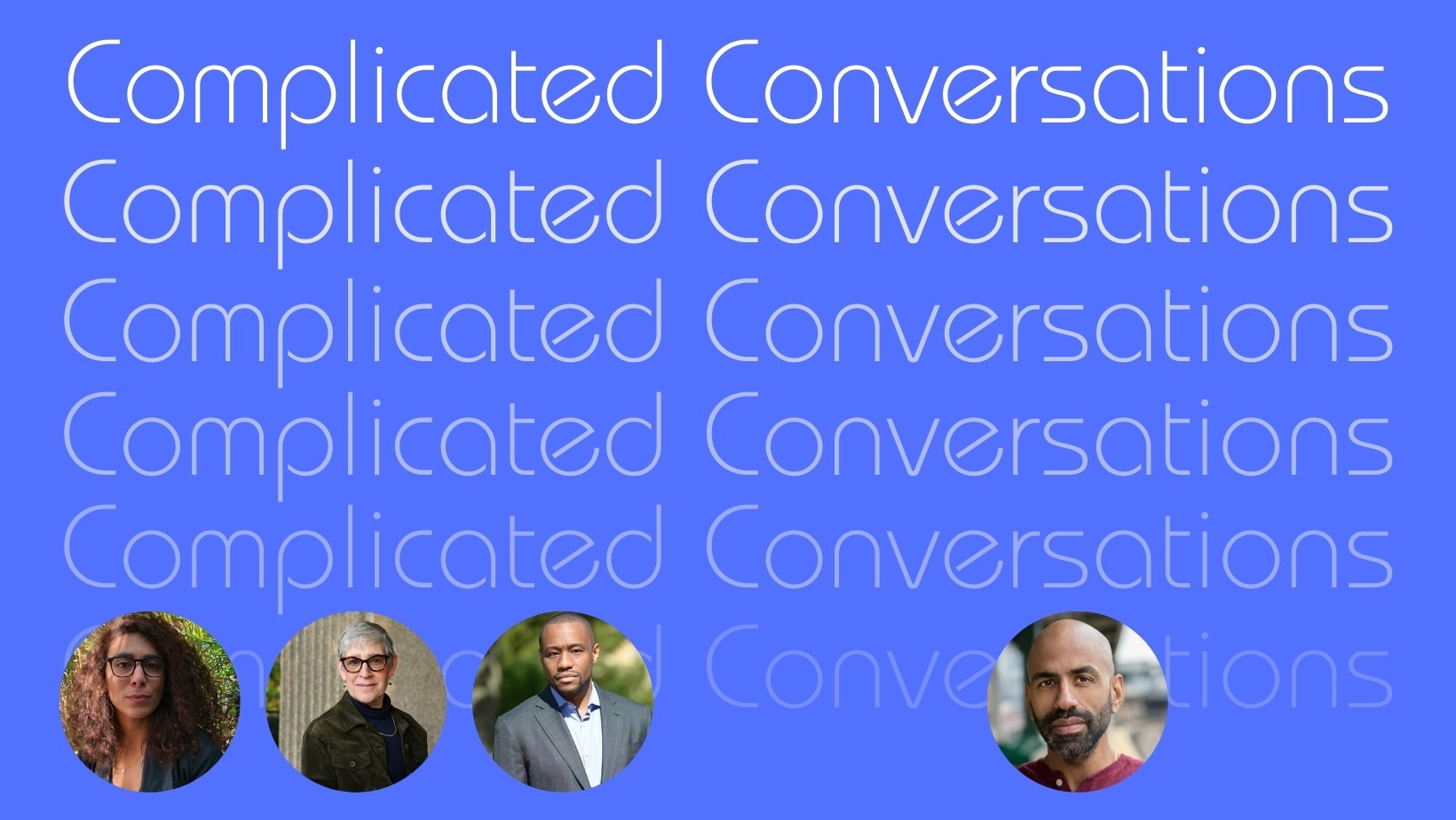
How do racial discourses shape the conflict in Israel and Palestine? Whether debating terms like “Indigeneity,” “settler colonialism,” “apartheid,” and “genocide;” racial […]

Date: April 22, 2021 Time: Noon – 1:15 PM (Eastern time, U.S. and Canada) Chair and moderator: Dr. Joanna Sliwa, author of Jewish Childhood in […]