The Bedouin of the Negev desert have long sought legal recognition from the State of Israel. Without legal status, they are denied their basic rights as Israeli citizens: access to public health services, water, electricity, public transportation, is inadequate or unavailable. Rah’ma is one of the few unrecognized villages that has been promised recognition, yet that promise remains unfulfilled. Still: a school has been approved and built, public utilities have improved, and village residents see some hope. What makes Rah’ma different from other Bedouin villages in the Negev? What paved the way to the promise of recognition? What changes will recognition bring? And can Rah’ma be a model for Israeli-Bedouin relations going forward? Please join for a discussion between Sliman Elfregat, Rah’ma school principal; Debbie Golan, co-founder and president of Atid Bamidbar; and Dvir Warshavsky, Ministry of Education project director. Chair and moderator: Eli Karetny, deputy director of the Ralph Bunche Institute. This event is hosted by the Center for the Study of the Holocaust, Genocide, and Crimes Against in association with: The Center for Jewish Studies, The Graduate Center—City University of New York CUNY Academy for the Humanities and Sciences, The Graduate Center–CUNY The School of General Studies and the Master of Arts in Holocaust and Genocide Studies, Stockton University The Skirball Department of Hebrew and Judaic Studies, New York University
You may also like
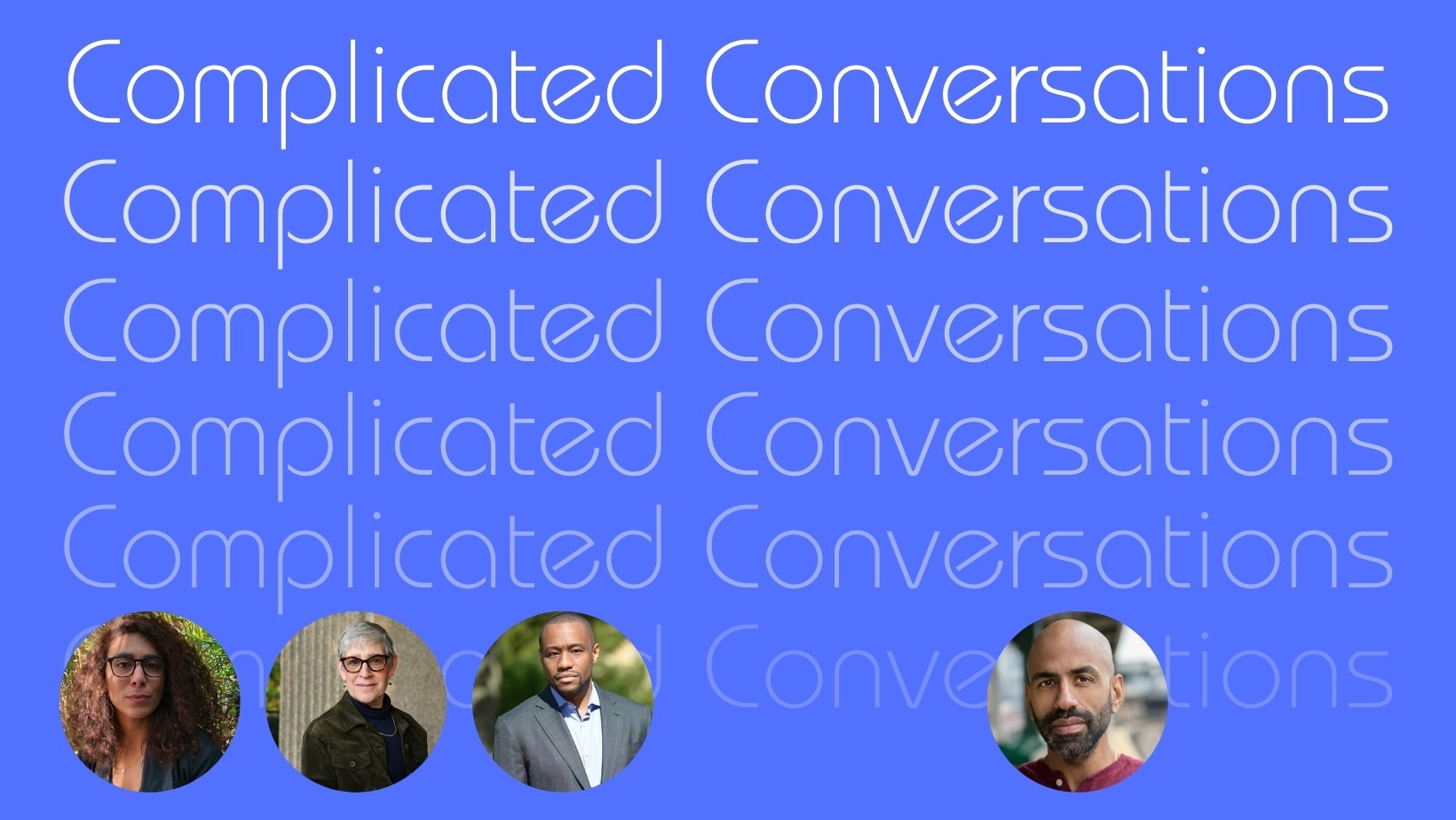
How do racial discourses shape the conflict in Israel and Palestine? Whether debating terms like “Indigeneity,” “settler colonialism,” “apartheid,” and “genocide;” racial […]

Russia’s attack on Ukraine has caused the death and injury of thousands, the forced flight of millions, and the physical destruction of […]
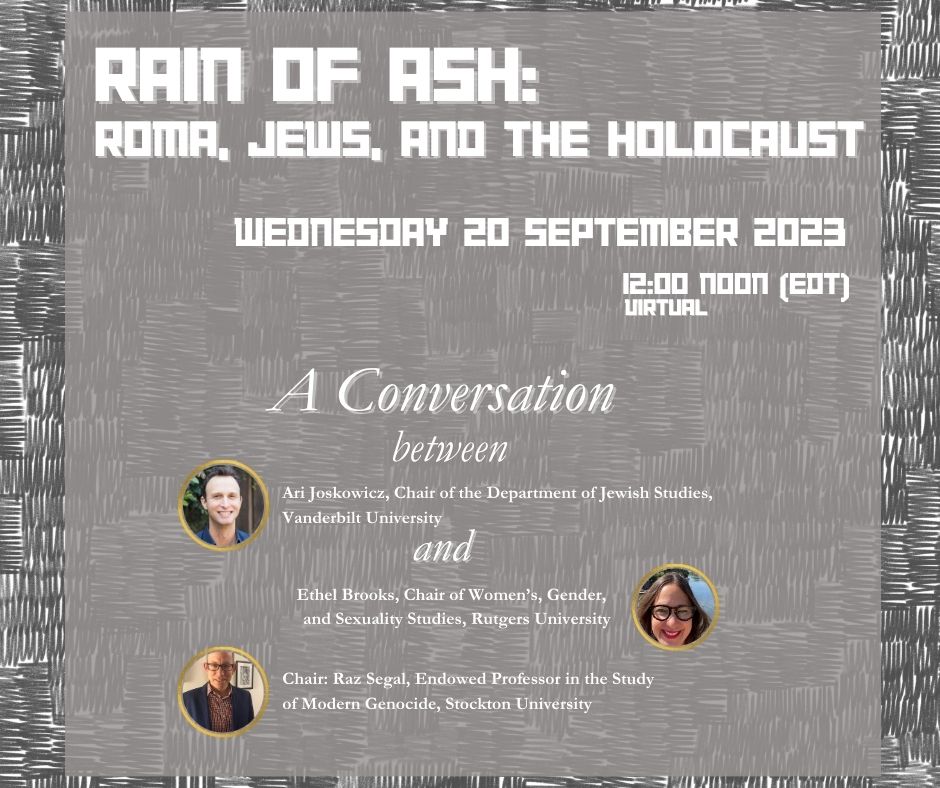
Jews and Roma died side by side in the Holocaust, yet their murder has not been recognized equally. The Jewish experience of […]
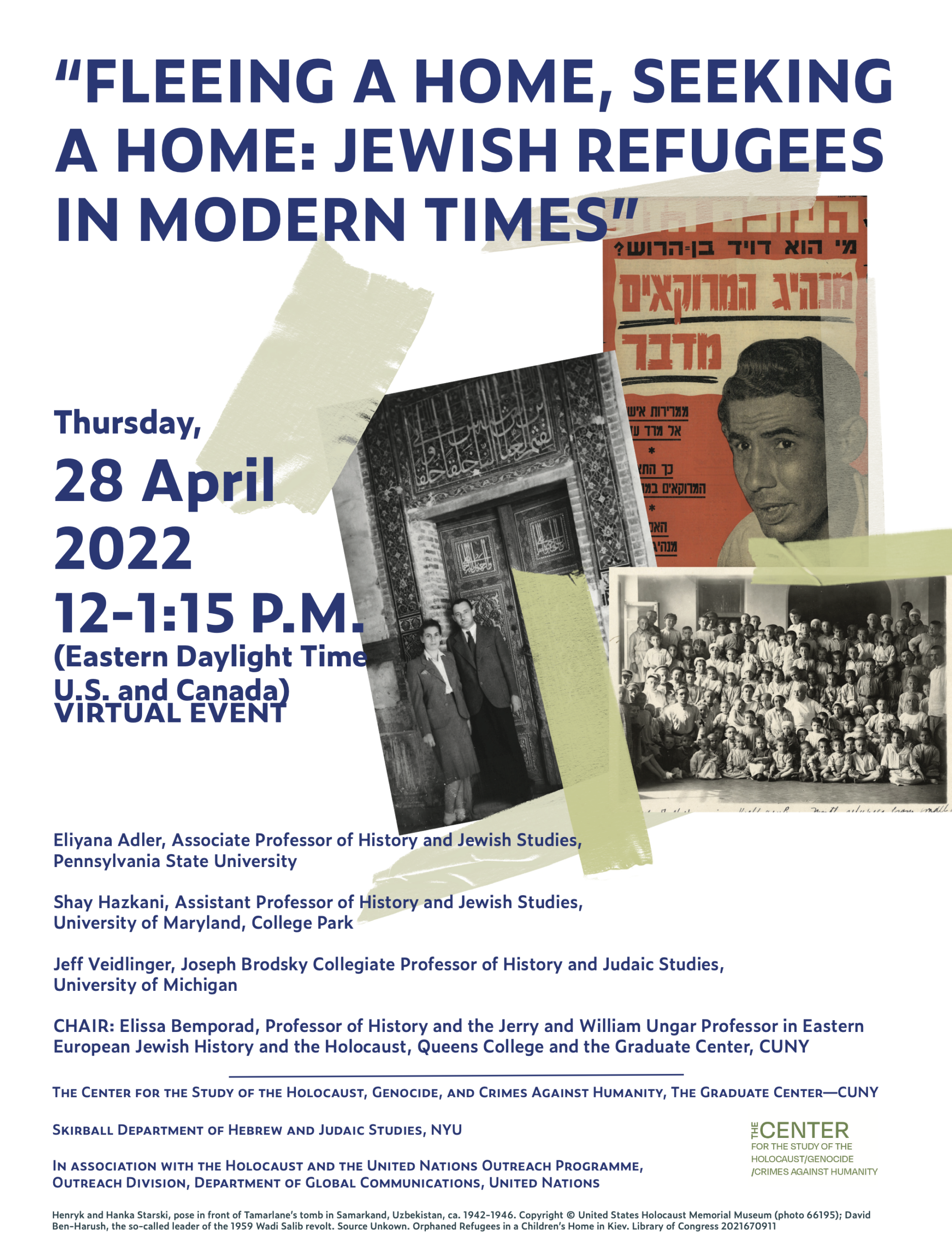
In the thick of a refugee crisis, with an official count of 82.4 million forcibly displaced persons worldwide, the Center for the […]